



This Battery Has a New Recipe
Spring Hill’s next manufacturing change starts with a recipe. The ingredients won’t fit on a diner menu, but the question behind them is familiar enough: Can you get more out of something without spending more?
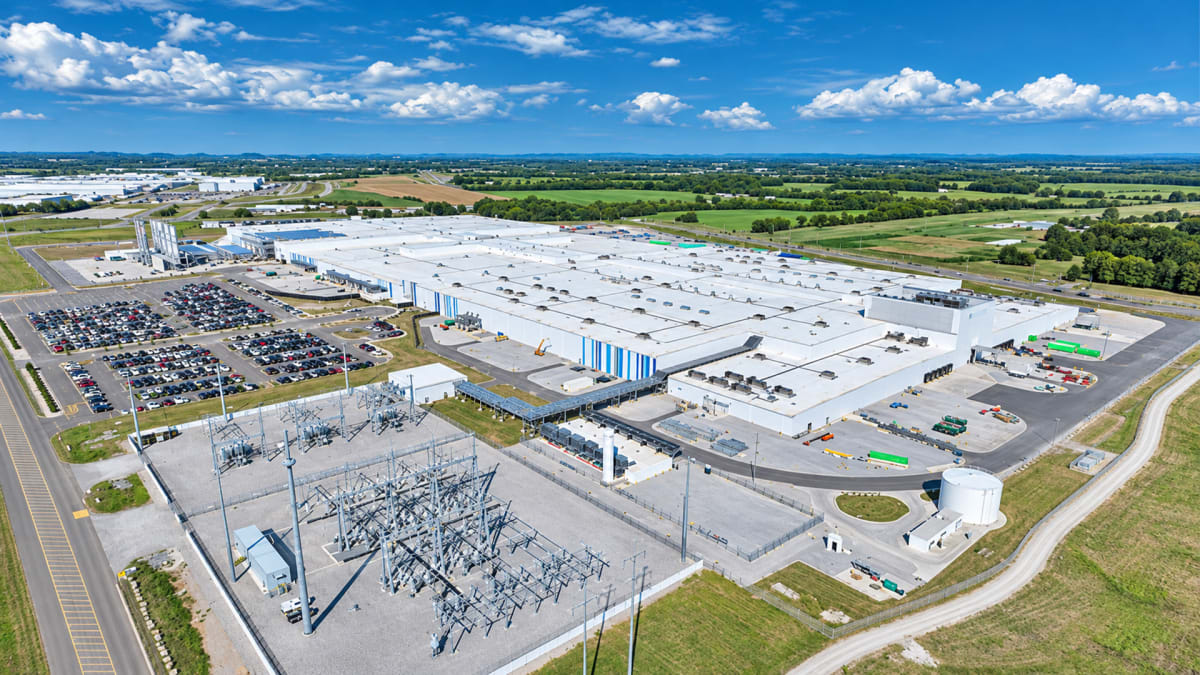
Ultium Cells, the General Motors and LG Energy Solution joint venture, plans to upgrade its Spring Hill factory to produce lithium manganese-rich batteries, known as LMR. Modifications are scheduled to begin in late 2026 and finish in 2028, with approximately 500 additional jobs projected at a facility already employing about 1,200 people.
For local families, those jobs are the immediate headline. Understanding what the plant will make requires looking inside the cell, where the balance of materials helps determine cost and how much energy a battery can hold. A factory’s next chapter can hinge on proportions measured far from the assembly floor.
Manganese gets a larger role in this recipe. GM describes it as a more affordable ingredient than nickel or cobalt, helping explain the appeal of a manganese-rich chemistry. The ambition is to pair that cost advantage with greater energy density, meaning more stored energy for a given amount of battery material or space.
Ultium says its LMR technology could deliver approximately 33 percent higher energy density than lithium iron phosphate, or LFP, at a comparable cost. That creates room for engineers to pursue greater driving range without relying solely on a larger battery. It doesn’t automatically translate into 33 percent more miles, however. The finished vehicle still has its own weight, aerodynamics and energy demands.
Then there’s the container. “Prismatic” sounds like something borrowed from geometry class because, essentially, it is: a rectangular cell format. GM says these cells offer packaging efficiencies and require fewer supporting components. Chemistry determines what happens inside; shape influences how cells fit together and how the battery pack is assembled.
Spring Hill’s larger assignment is flexibility. Ultium describes production spanning high-nickel, LFP and LMR chemistries, along with pouch and prismatic formats. Different batteries can serve different needs, including vehicles and stationary energy storage.
The company places its combined investment in two battery programs and facility improvements at $1 billion by 2030. That distinction matters: the figure covers a broader manufacturing effort than the LMR upgrade alone.
For Tennessee, the development is a change in capability as much as capacity. Spring Hill is preparing to work with more than one recipe.
Explore more businesses in the Guide to Tennessee manufacturing directory: https://www.guidetotennessee.com/manufacturing
