



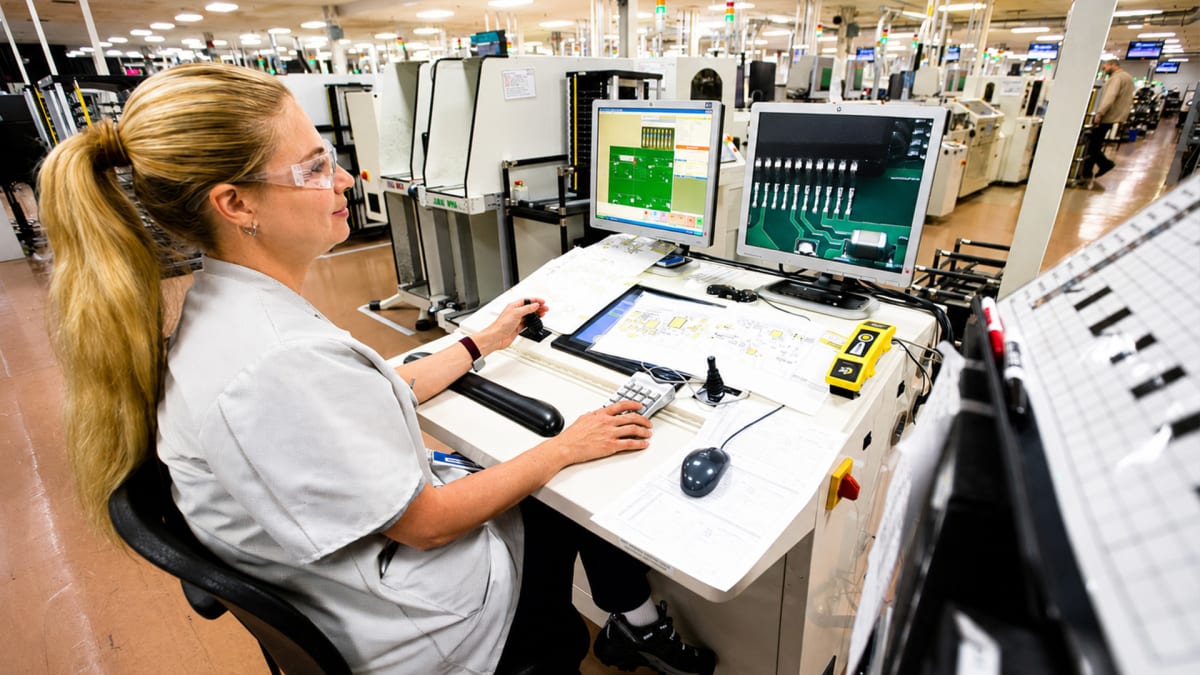
The Factory Floor Learns AI!
Tennessee’s next manufacturing advantage may have less to do with smarter machines than smarter use of them. This fall, a new statewide certificate program is putting artificial intelligence directly into the hands of factory workers.
The University of Tennessee System launches the first statewide cohort of its AI in Manufacturing Workforce Certificate on October 1 through the UT Center for Industrial Services in Knoxville.
The 16-week program grew from training originally developed with DENSO and is now open to manufacturers across Tennessee. Its emphasis is practical: teach the people already working inside plants how to recognize where AI can solve real production problems and where human judgment still needs to lead.
That means less talk about futuristic factories and more attention to what happens on an ordinary Tuesday when a machine begins behaving oddly or a quality issue starts creeping into production.
Teaching AI Where the Work Happens
The AI in Manufacturing Workforce Certificate covers applications including predictive maintenance, computer vision, quality inspection, production optimization and logistics. Participants do not need a coding background.
That detail matters.
AI adoption can quickly become a conversation dominated by software specialists, consultants and executives. Tennessee’s approach pushes some of that knowledge closer to the factory floor, where technicians, supervisors and production teams are often the ones who understand the daily problems well enough to know whether a new tool is actually useful.
The stakes are bigger than one classroom. Tennessee is home to more than 3,700 advanced-manufacturing companies, part of a broader industrial base highlighted by the state’s economic development industry strategy. As AI moves deeper into manufacturing, those employers face a workforce question alongside the technology question: can existing teams learn fast enough to use the new tools well?
That may prove more important than simply buying smarter equipment.
Predictive systems can flag potential failures. Computer vision can help identify defects. Production data can uncover patterns that people might miss. None of those tools eliminate the need for employees who understand the machinery, the process and what a bad result actually looks like.
Tennessee’s bet is that competitive manufacturing will require both.
The smartest machine on tomorrow’s factory floor may still depend heavily on the person standing beside it.
For a closer look at the manufacturers shaping Tennessee’s industrial economy, browse the Guide to Tennessee directory at https://www.guidetotennessee.com/manufacturing.
