



The Economics of Leaving It Wild
A new state park doesn't need a gift shop to mean business. Along Tennessee's Buffalo River, 448 acres of protected land could eventually bring new customers, new investment, and new possibilities to two rural counties.
The October 23 dedication of Buffalo River State Park near Linden marked Tennessee's 69th state park. But the more interesting story may unfold miles from the river, in the restaurants, storefronts, and small businesses of Wayne and neighboring Perry counties.
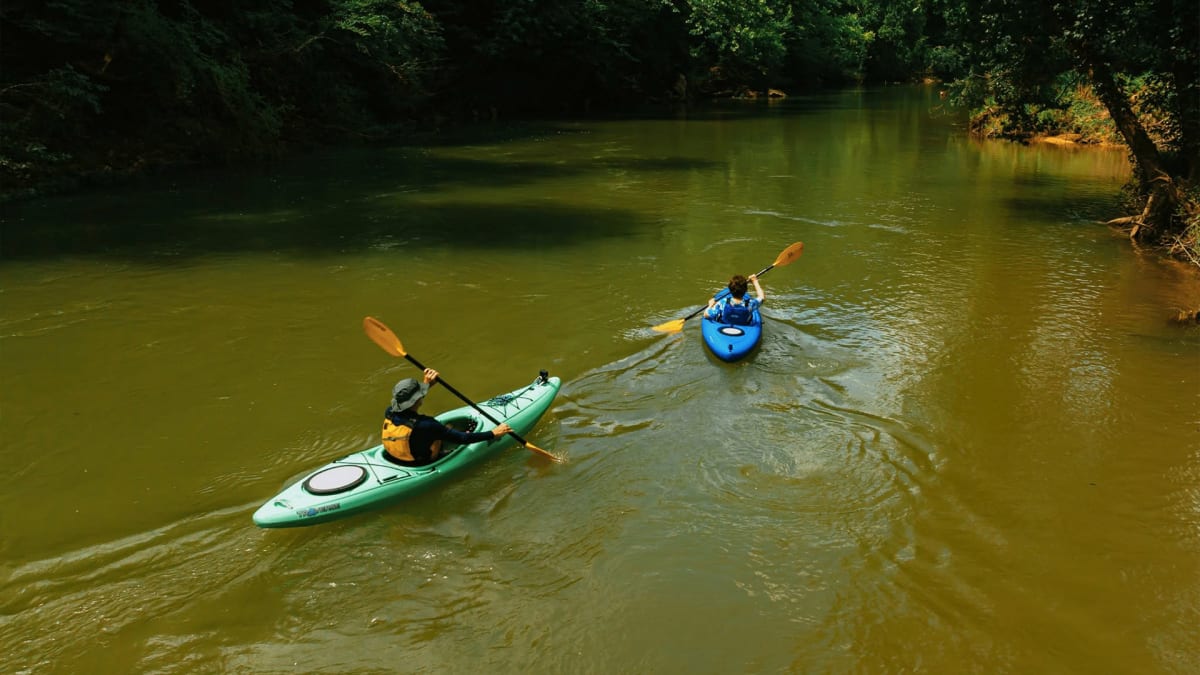
The park encompasses rolling pastures, wooded hillsides, and more than two miles of river frontage, including the Buffalo River's largest horseshoe bend. Its future visitors will find opportunities for paddling, fishing, hiking, camping, and wildlife watching.
For now, however, the park remains closed while trails and facilities are developed. That gives surrounding communities an unusual opportunity to prepare for an economic change before the first official visitors arrive.
When Conservation Creates Commerce
The state has allocated $34 million for a visitor center, campground, roadways, river access, and other facilities. It's a substantial public investment in a landscape whose greatest asset is largely what hasn't been built on it.
For local entrepreneurs, the possibilities extend well beyond the park entrance. A family planning a weekend on the Buffalo River might need kayak rentals, a place to stay, breakfast before hitting the water, or dinner afterward. Each stop represents potential revenue for a locally owned business.
Existing outfitters already serve people exploring the Buffalo River. A state park could introduce the area to additional visitors, creating opportunities for complementary services and encouraging travelers to spend more time in nearby communities.
But increased visitation doesn't automatically translate into lasting prosperity. Roads, parking, lodging capacity, and dependable services all matter. So does keeping enough of that visitor spending in local hands to benefit the communities supporting the park.
There's also the river itself to consider. With 48 documented rare species of plants and animals in the area, protecting the landscape remains central to the investment.
As Tennessee State Parks develops the property and announces future guided visits, local businesses have time to consider where they might fit into the picture.
The real measure of success won't simply be how many people visit Buffalo River State Park. It will be whether those visits help sustain the surrounding communities without sacrificing the natural setting that brought people there.
For businesses and recreation opportunities across the state, explore the Guide to Tennessee's Sports, Fitness & Recreation directory at https://www.guidetotennessee.com/sports-recreation.
