



Growing Together, Going Places!
Tennessee’s next chapter comes with blueprints. As communities welcome residents and businesses, the state has identified $82.7 billion in public infrastructure needs, offering a detailed look at what it will take to support the growth ahead.
The Tennessee Advisory Commission on Intergovernmental Relations’ current inventory covers improvements needed between July 2024 and June 2029. Its total is $5 billion higher than the previous inventory, reflecting a substantial statewide agenda for roads, schools, utilities and public facilities.
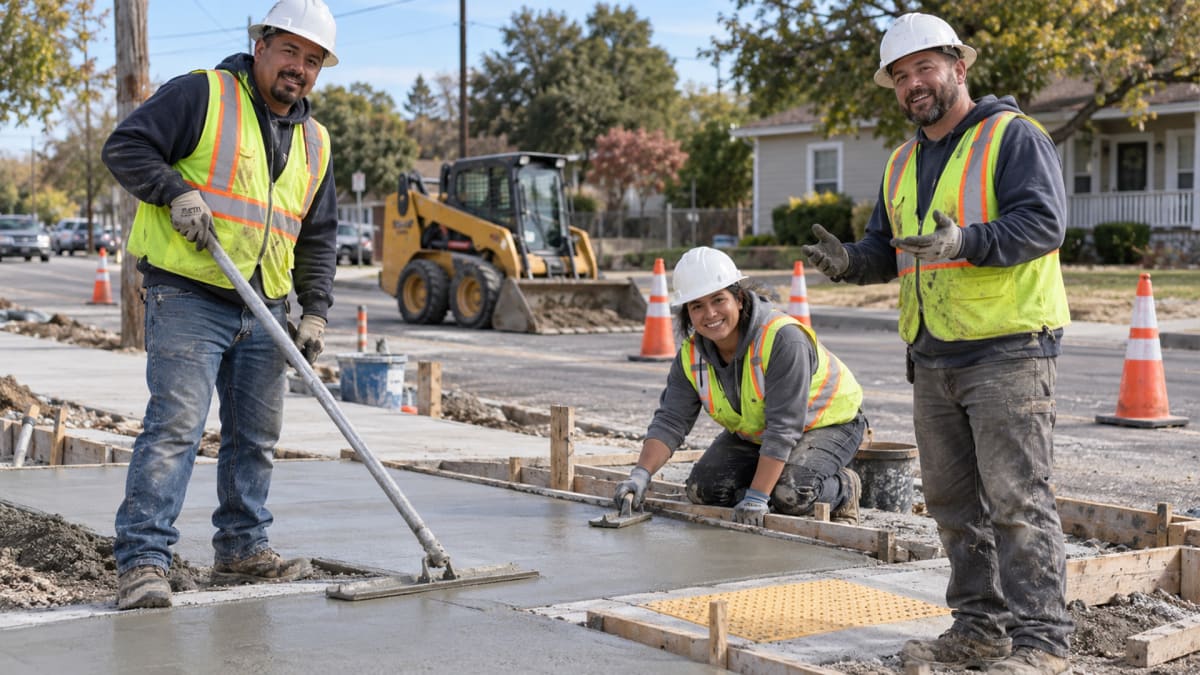
Those investments concern the everyday details that make a growing community work. A business needs reliable access for deliveries. Families need school buildings ready to serve students. New development needs public systems capable of handling the additional demand. The ribbon-cutting gets the photograph; the infrastructure makes the place function.
Transportation and utilities represent $42.8 billion, more than half the total, while education accounts for $19.8 billion. Together, they point toward opportunities to strengthen the connections between where Tennesseans live, learn and earn a living.
The statewide reach matters. Communities across all 95 counties contribute to the inventory, bringing needs outside the largest metropolitan areas into the same conversation. That gives local priorities a place in Tennessee’s broader planning picture, whether they involve existing facilities or capacity for future growth.
There is also an important distinction behind the headline number. As TACIR explains in its infrastructure reports, the inventory includes projects at the conceptual, planning, design and construction stages. Work may begin or finish outside the five-year window, and most projects will be financed with debt. The total describes identified needs rather than a single bill due in 2029.
That makes the inventory a useful starting point for decisions. Local officials, the Tennessee Department of Transportation and state agencies supply the information, while school officials also report building conditions. Communities can use that picture to weigh priorities and consider how individual improvements fit together.
For employers, the opportunity extends beyond attracting the next company. Infrastructure helps existing businesses operate and gives expanding businesses something concrete to plan around. For residents, its value is equally practical: the roads they use, the classrooms their children enter and the public facilities serving their neighborhoods.
Growth brings work, and Tennessee has a clearer accounting of what that work involves. The next step is turning identified needs into well-timed improvements that help communities make the most of the momentum they have built.
Connect with groups helping shape communities across the state through the Guide to Tennessee community organizations directory: https://www.guidetotennessee.com/community-organizations
