



Flying Into the Future
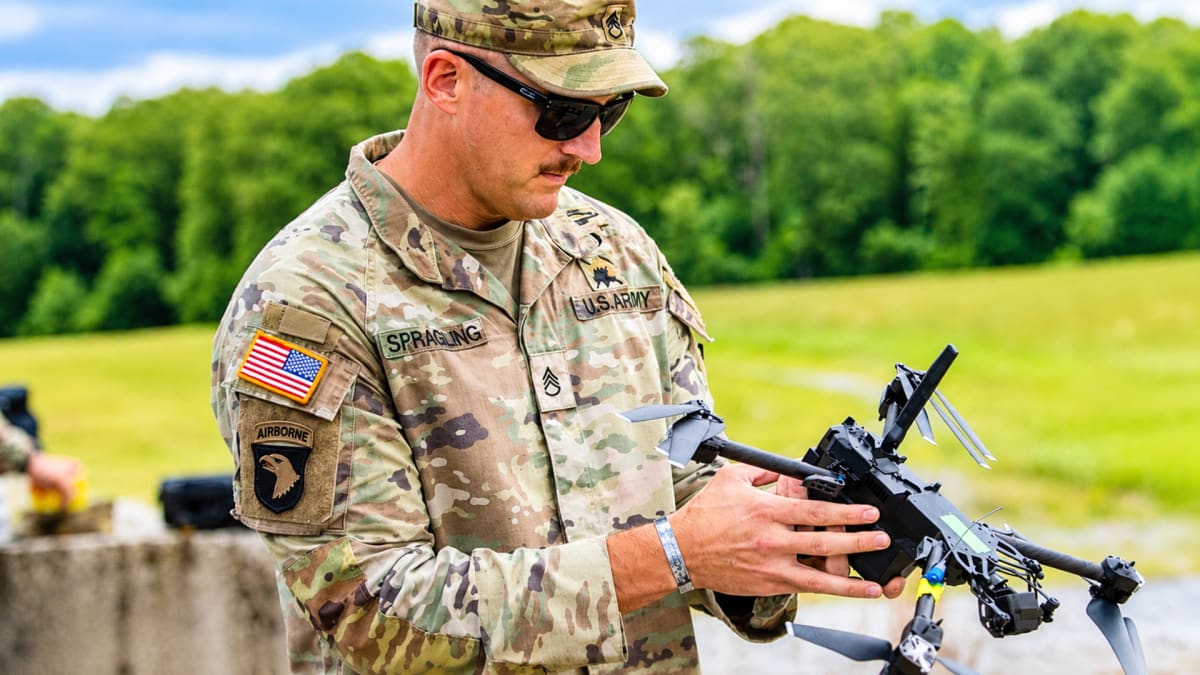
Drone technology is taking off in a big way, and Tennessee is helping lead the flight path. A first-of-its-kind military training program is preparing Soldiers to become the experts who will shape the next generation of unmanned aircraft operations.
Training the Trainers
Twelve Tennessee Army National Guard Soldiers recently became the first graduates of the state's new Small Unmanned Aircraft System (SUAS) Master Trainer Course after completing two weeks of advanced instruction at the Volunteer Training Site in Smyrna, along with flight exercises in Tullahoma.
Unlike a basic drone operator course, this program is designed for experienced personnel ready to take on leadership roles. Graduates return to their home units prepared to serve as instructors, program managers, and subject matter experts who can certify new pilots, advise commanders, and build local unmanned aircraft programs from the ground up.
The intensive curriculum covered advanced flight operations, airspace and risk management, instructor methodology, aerial reconnaissance, and mission planning. Soldiers trained with multiple unmanned aircraft platforms, including the Skydio RQ-28A, RQ-28C, and the Neros Archer First Person View quadcopter, gaining hands-on experience with technology that continues to play a growing role in modern military operations.
Looking Ahead
The new course also supports the Tennessee National Guard's broader modernization strategy. As the 278th Cavalry Regiment transitions into a Mobile Brigade Combat Team, unmanned aircraft systems are becoming one piece of a larger technology-focused approach that also includes Infantry Squad Vehicles, extended-range precision fires, and electronic warfare capabilities.
Creating instructors instead of simply training additional pilots helps expand those capabilities much faster. Each graduate can return to their unit equipped to train others, creating a ripple effect that strengthens readiness across the state while standardizing instruction and operational knowledge. This emphasis on building skilled instructors reflects Tennessee's broader commitment to aviation education, from specialized military programs like this one to flight instruction schools serving future civilian pilots.
Military leaders say the pilot program places Tennessee at the forefront of National Guard drone training, offering a model that could influence similar programs across the country. Plans are already in place for a second Master Trainer Course in 2027, pending approval from the National Guard Bureau.
As unmanned aircraft continue to reshape military operations, programs like this ensure Tennessee remains ready to adapt to evolving technology while developing the skilled leaders needed to put it into practice.
Explore more specialized training programs taking flight across the state at https://www.guidetotennessee.com/specialized-education-programs.
