



Acres Saved, Stories Kept
Tennessee is putting serious money behind protecting the places that helped shape its history.
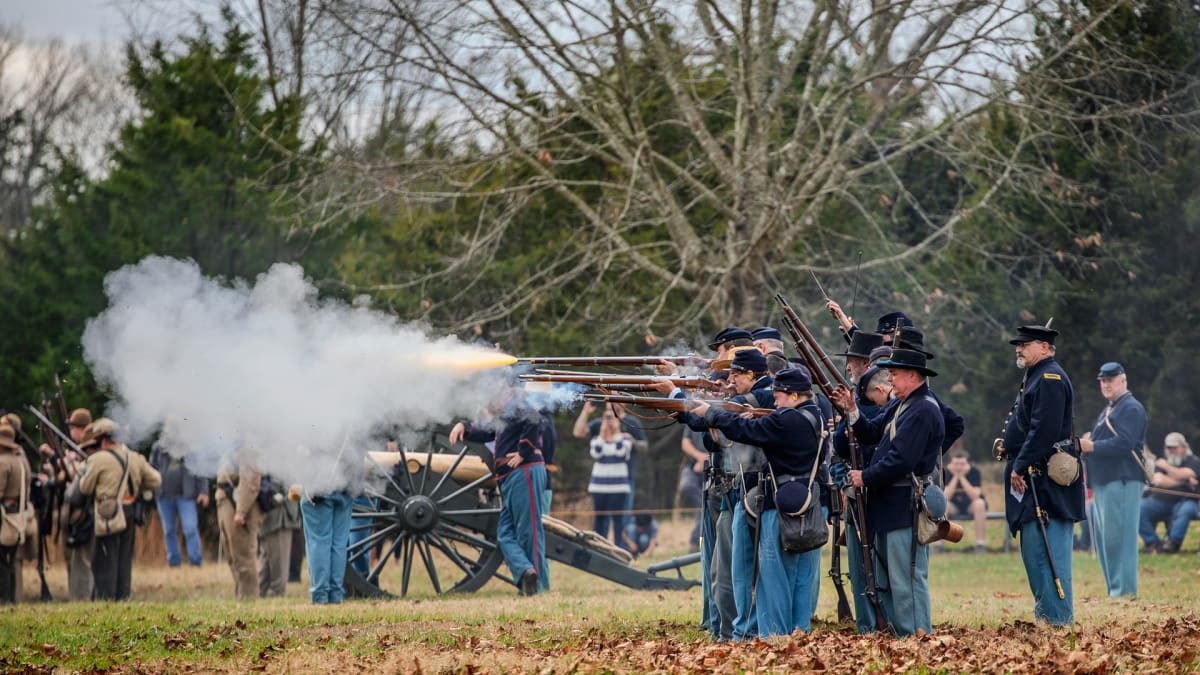
This year, the Tennessee Wars Commission, a division of the Tennessee Historical Commission, awarded more than $2.6 million through the Civil War Sites Preservation Fund to preserve historically significant battlefield land across the state. The latest round of grants will protect just over 22 acres connected to major sites including Franklin Battlefield, Stones River Battlefield, Shiloh Battlefield, Nashville Battlefield, and several others tied to Tennessee’s Civil War history.
That may sound like a niche preservation effort at first glance, but the impact reaches far beyond history buffs and battlefield tours.
Historic preservation has increasingly become part of Tennessee’s broader economic development strategy, especially in communities where tourism, downtown investment, and cultural identity all overlap. Cities like Franklin, Murfreesboro, and Shiloh already draw visitors year-round who travel specifically to experience these historic sites firsthand. Restaurants, hotels, local shops, museums, and tour operators all benefit from the steady traffic tied to heritage tourism.
And unlike temporary attractions or trends that fade after a season, historic sites tend to anchor communities for decades.
History That Still Pays Off
The Civil War Sites Preservation Fund was launched in 2013 with a fairly urgent mission: acquire and protect historically important land before development permanently changes it. Since then, the program has directed more than $22 million toward preserving roughly 1,100 acres statewide.
That urgency matters more now than ever.
Tennessee continues growing rapidly, particularly around Middle Tennessee, where development pressure has reshaped large stretches of land over the last decade. Once historic property is cleared for commercial projects or residential expansion, the opportunity to preserve that land is effectively gone for good.
The state’s preservation strategy focuses on smaller but highly significant tracts connected to troop movement, battle lines, encampments, and documented wartime activity. Those details may seem invisible to the average driver passing by, but they help historians, educators, and preservation groups maintain a more complete understanding of what happened on the ground.
The long-term payoff extends well beyond preservation circles. Historic sites fuel educational programming, guided tours, museum partnerships, festivals, and tourism campaigns that continue feeding local economies year after year. In places like Franklin and Shiloh, preserved land has become part of the region’s identity and business ecosystem at the same time.
The next grant application cycle opens in August, continuing a program that’s quietly shaping how Tennessee balances growth with protecting the stories already written into its landscape.
Ready to explore more of Tennessee’s historic side? Start planning at https://www.guidetotennessee.com/museums
